
Author name: demo

Uncategorized

Delivering Precision, Compassion, and 24/7 Critical Care Excellence

Critical care medicine is not just a specialty — it is a responsibility that demands vigilance, precision, teamwork, and unwavering commitment. As an Intensivist, I dedicate myself to providing round-the-clock, evidence-based, and patient-centered care to those who need it most. About Critical Care Medicine The Department of Critical Care manages patients with life-threatening conditions requiring advanced monitoring, organ support, and rapid intervention. This includes patients with severe infections, respiratory failure, cardiac emergencies, trauma, multi-organ dysfunction, and post-operative complications. Modern critical care is dynamic and technology-driven. From advanced ventilatory strategies and hemodynamic monitoring to bedside ultrasound and protocol-based resuscitation, our ICU functions as a highly coordinated ecosystem where every second matters. But beyond technology, critical care is about judgment, timing, and human connection — supporting families through uncertainty while making complex decisions with clarity and compassion. My Approach as an Intensivist Critical care revolves around three core principles: 1. Evidence-Based Precision I believe in delivering care grounded in updated scientific evidence and best clinical practices. Every intervention — whether mechanical ventilation, vasopressor support, or antimicrobial therapy — must be individualized and thoughtfully applied. 2. Dynamic and Adaptive Management Critical illness evolves rapidly. My approach emphasizes continuous reassessment, early recognition of deterioration, and proactive decision-making. The ICU is not static; it demands constant vigilance and flexibility. 3. Compassionate Communication Families experience immense stress when a loved one is critically ill. Transparent communication, realistic discussions, and emotional support are integral components of my practice. Medicine must be humane, especially in moments of vulnerability. Bridging the Gaps in Critical Care One of my key visions is to strengthen the bridge between emergency stabilization and definitive recovery by: My goal is to reduce preventable complications, optimize outcomes, and elevate the standard of care delivered in our ICU. 24/7 Commitment Critical illness does not follow a schedule. My availability reflects my commitment to immediate assessment and timely intervention whenever needed. Continuity of care is crucial in critical care medicine, and I strive to ensure that every patient receives consistent, high-quality management at all hours. In critical care, every decision matters. Every minute counts. Every patient deserves our absolute best. Through precision, vigilance, and compassion, I remain dedicated to delivering comprehensive and dynamic critical care for those entrusted to us.
Uncategorized

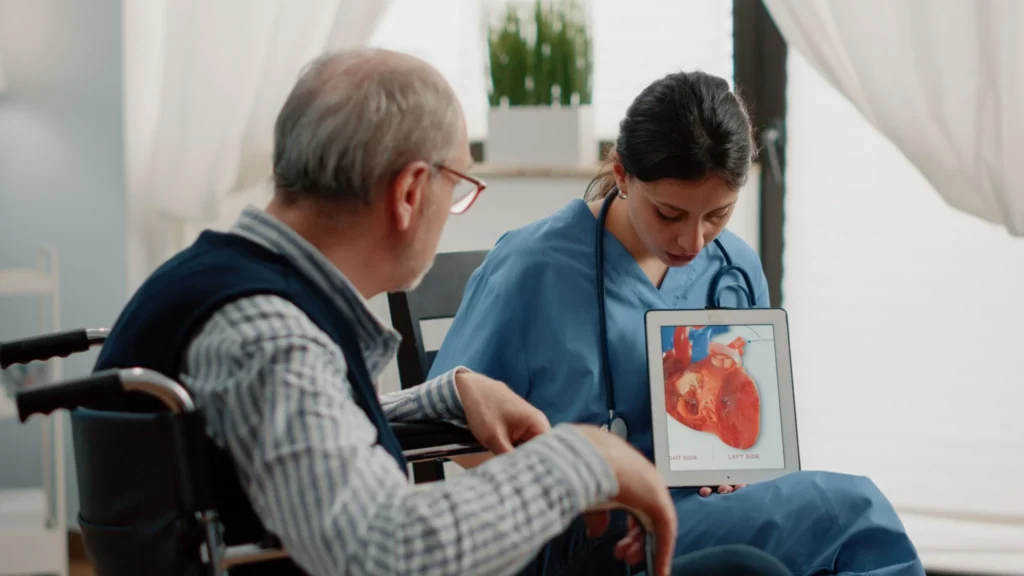
Preventative Cardiology — Protecting Hearts Before They Fail

Cardiovascular diseases (CVD) — particularly ischemic heart disease and sudden cardiac events — have emerged as the leading cause of mortality and disability in India. What was once considered a disease of older adults is now affecting young and middle-aged Indians, often silently and unpredictably. as clinicals and caregivers, our focus must extend beyond treatment and interventions to prevention — identifying  risks early, modifying lifestyle factors, and fostering awareness. The Burden of Heart Disease in Indians Heart disease in India has reached epidemic proportions. National data show that heart disease is now the leading cause of death among adults, accounting for more than one-third of all deaths in both men and women. In the 2021–23 period, heart disease caused approximately 32.4% of male and 29.1% of female deaths — a staggering share compared to other causes like respiratory illnesses or cancer.  Indians develop heart disease earlier than many other populations. Studies by the Indian Heart Association and others report that Indians tend to experience cardiac events almost a decade earlier than Western counterparts — a reflection of susceptibility linked to genetics, metabolic profile, and environmental exposures.  perhaps most concerning is the trend among younger adults. Contemporary hospital data suggest that a significant proportion of heart attacks now occur in individuals below the age of 40. Understanding Ischemic Heart Disease — Causes and Risk Factors Ischemic heart disease (IHD) — the most common form of heart disease — results from reduced blood flow to the heart muscle due to obstruction or narrowing of the coronary arteries. The primary causes and risk drivers include: 1. Metabolic Risk Factors 2. Lifestyle and Behavioural Risks 3. Stress and Psychosocial Factors Chronic stress, long work hours, sleep deprivation and high job strain have been linked with cardiometabolic disorders — a reality for many working professionals today, which in turn increases cardiovascular risk.  4. Genetic and Unique South Asian Susceptibility South Asians have been shown to have a higher predisposition to early cardiovascular disease, sometimes independent of classical risk factors. This includes a higher likelihood of insulin resistance, abdominal obesity and small dense LDL particles — all contributing to earlier onset and more aggressive progression of atherosclerosis. The Importance of Lifestyle Modification The good news is that many cardiovascular risks are modifiable. Lifestyle changes are powerful preventive tools: Nutrition Physical Activity Weight and Metabolic Health Maintaining a body weight in a healthy range reduces strain on the heart and improves blood pressure, glucose and lipid profiles. Smoking Cessation & Alcohol Moderation Quitting smoking is one of the most impactful steps a person can take to reduce cardiac risk. Limiting alcohol reduces blood pressure and arrhythmia risk. Stress and Sleep Management Adequate sleep (7–8 hours nightly) and stress-reduction strategies like meditation, yoga or mindful breathing are integral to heart health. Early Detection — Screening and Tests Save Lives Prevention also means early detection of risk before symptoms arise. Routine screening should begin in early adulthood and include: Individuals with a strong family history of premature heart disease — first-degree relatives with heart attacks before age 55 in men or 65 in women — must be particularly vigilant and seek earlier screening. Prevention Begins with Awareness At the core of preventative cardiology lies awareness. Most people seek medical help only after symptoms become severe, often missing the “golden window” for lifestyle correction or early intervention. Educating patients about warning signs — chest discomfort, unexplained fatigue, breathlessness, palpitations — and risk-factor control is paramount. Preventative cardiology is not merely a medical specialty — it is a public health imperative. With heart disease affecting Indians at younger ages and with greater severity than ever before, the onus is on healthcare providers, patients, caregivers, and communities to adopt a proactive stance. Lifestyle modification, routine screening, and increased awareness can transform cardiovascular outcomes — reducing the burden of disease, saving lives, and improving quality of life for individuals and families across India. At Baroda Heart Institute, we envision a future where hearts thrive long before they fail — and where prevention truly matters as much as cure.

Scroll to Top